INSIDE VARUNÉ BIO

Start with what an ingredient needs to do.

A water-based cream changes after application. It spreads into a thin layer, then changes as it dries.

That everyday moment opens a research question: what could a biological material contribute to the way a formulation behaves?

VARUNÉ Bio is the company Varun founded to explore biological materials, ingredient research and cosmetic formulation.

Varun’s role

Varun sets the company’s direction and develops the questions behind its proposed programmes.

His contribution includes defining an intended use, identifying the expertise needed and asking what a useful comparison should establish.

THE FIRST FORMULATION QUESTION

What happens in the layer left on the skin?

Does it spread evenly? Does it feel sticky? What happens to water in that thin layer as the formulation dries?

The proposed research asks whether a selected biological material changes how that layer releases water, compared with an established ingredient.

The comparison would also examine spreading, stickiness and the small rolls of product that can form during application.

Inside the formulation research

The programme’s polar-biology literature includes microbial polysaccharides: long molecules built from sugar units.

The scientific hypothesis concerns how a material’s composition and organisation affect water movement through the deposited film.

The proposed comparison would record dry material loading, film thickness, conditioning and water-release behaviour.

These details help test how much of an observed difference comes from the candidate material and how much comes from the amount or thickness of the layer.

Material identity matters too: the preparation and processing steps must be described well enough for another laboratory to reproduce the comparison.

A later claim about skin hydration would require a study designed for that outcome in people.

From the jar to the deposited layer

  1. Before application
  2. After spreading
  3. As the layer dries
Illustration of a formulation question; no measured result is shown.

Current stageProgramme development; comparative briefs and research arrangements are being developed.

Explore the formulation question
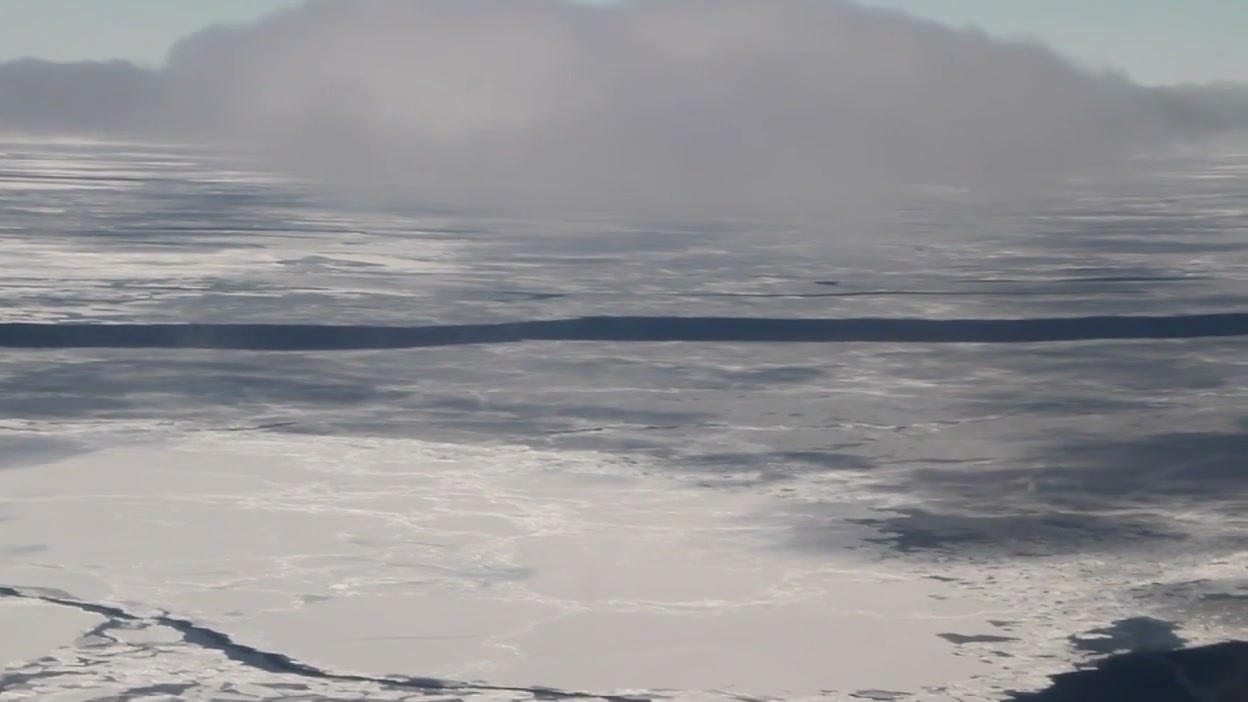
Ice-covered polar landscape photographed during NASA Operation IceBridge over the Ross region.
Polar landscape context. NASA’s Goddard Space Flight Center, “OIB: Across the Ross” (released 2014; campaign 2013). Original source ↗
This image shows the environment, rather than company fieldwork or a tested ingredient.

Why look towards polar biology?

Polar-associated biology provides scientific leads for studying particular materials and their properties.

The development question is what a defined preparation can contribute in an ordinary formulation setting.

Explore the development question

A source organism, a preparation and the material used in a test are different parts of the record.

The programme needs to connect them before interpreting a result or considering a production route.

Research direction; environmental association does not establish ingredient performance.

Follow the material from source to comparison

Could biological light become a useful material function?

Biochemical light is light produced through a reaction involving biological components.

The programme asks what would make such a signal useful on an inert surface or in a research tool.

Explore the development question

The intended user and task set the question: how much signal is needed, for how long and against what background?

Preparation, activation, handling and the existing alternative belong in the comparison.

Programme development; initial intended settings are inert surfaces and research tools.

Explore the biochemical-light programme